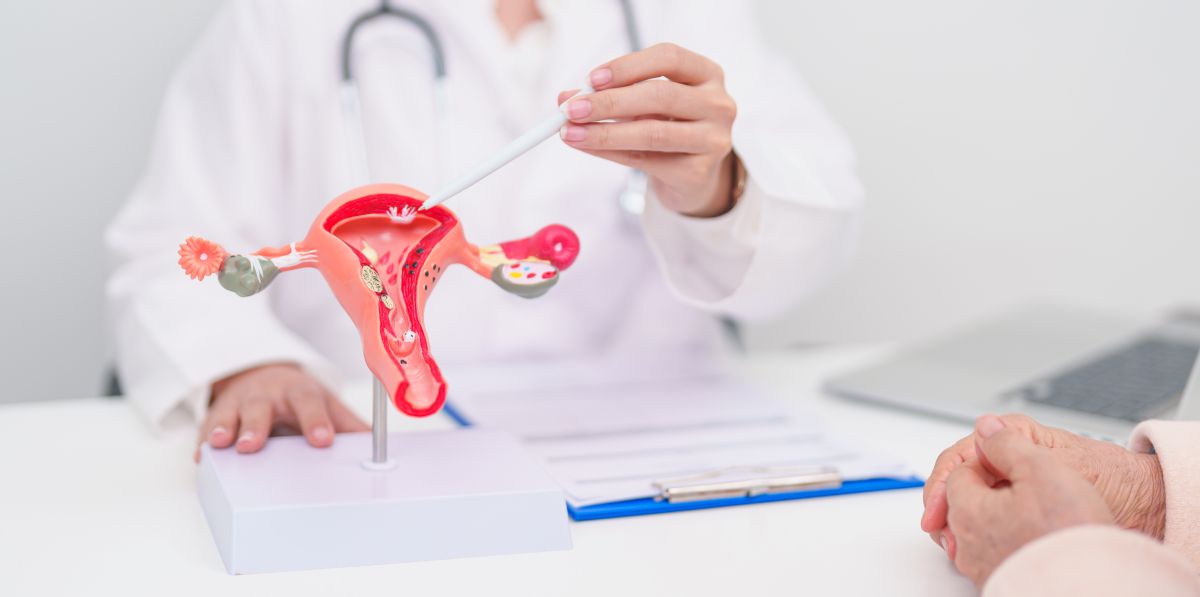
All About Pap Smears and Their Role in Identifying Cervical Cancer
Cervical cancer is the second most common cancer among women in India. However, if identified early, it is preventable and results in significantly improved survival rates. Regardless of this, lack of awareness, limited access to screenings, along with social and cultural stigma, hold back many women from understanding the need for regular cervical cancer screenings and treatments.
Pap smear is a simple screening test that plays a crucial role in cervical cancer detection and prevention and recognising its benefits can empower women to take charge of their health.
What Is a Pap Smear?
Cervix is the lower part of your uterus that connects your uterus to the vagina. Cervical cancer develops over many years and before cancer forms, cervical cells go through precancerous changes. A Pap smear, also known as a Pap test, helps detect these changes early, before they progress into cancer. It is a routine screening procedure that is minimally invasive, safe, and quick, wherein your doctor gently inserts a speculum through your vagina and collects a sample of cervical cells using a tiny brush or spatula and later analyse them under a microscope.
Human Papillomavirus (HPV) a sexually transmitted infection that increases the chances of cervical cancer
In cases of asymptomatic cancer, this test has proven to be impactful as you might not feel any pain, bleeding,or discomfort.By the time symptoms like abnormal bleeding or pelvic pain appear, the disease may be advanced.
HPV is a major cause that leads to cervical cancer. If done along with HPV tests, Pap Smear offers strong and early protection, leading to timely interventions and better outcomes.
Who Should Get a Pap Smear?
The recommendations are as follows:
Women should begin Pap smear screening from 23 years of age
Women between the ages of 23 to 60 years, should do the test every three years.
Women above 30 years may be advised Pap smear with HPV testing
Women who have excess / recurrent attacks of vaginal discharge or bleeding after sexual intercourse are advised to get a Pap test
The test can be done anytime of your cycle, except during periods. Your gynaecologist may suggest a personalised screening schedule based on your age, health history, and previous test results.
No, taking a Pap Smear does not mean that you have cancer. It is just a procedure that helps identify abnormal cervical cells to understand if they need further evaluation or not. Many of these abnormalities resolve on their own. Some might just be an infection that can be easily treated with medication.
Take Charge of Your Cervical Health Today!
Regular Pap Smear screening is an act of self-care and prevention. It protects not just your health, but also your family’s future.
Do you talk enough about cervical cancer in your women circles? Maybe it’s time to start. Spread awareness. Get screened. And the next time you’re wondering what to gift your friend, sister, or mom - gift them a cancer-free future with a Pap smear screening at Fernandez.
And if you are someone due for a Pap smear or unsure about your screening schedule, speak to our expert gynaecologists. They will guide you at every step of the way.
Schedule an appointment today and take a step towards a confident and safe future. Call us at 1800 419 1397 (Toll-free)
Publication Date
30 December 2025
Category
Equitable, respectful and evidence-based care for women and children since 1948


-Hb518L_k.webp )