

Every mother-to-be should be aware of conditions that can affect her baby, including the possibility of birth defects. According to UNICEF, the United Nations agency responsible for child health and welfare, around 1.7 million babies in India are born with birth defects each year. While not all birth defects can be prevented, the risks can be reduced with the right precautions.
Here are four measures you can take to help prevent birth defects:
- Commit to a Healthy Lifestyle- Leading a healthy lifestyle is all about making healthy choices. Various studies show that an obese woman having a BMI of more than 30 is at a higher risk of complications during pregnancy. Some severe birth defects can be prevented by maintaining a healthy weight before and during pregnancy.
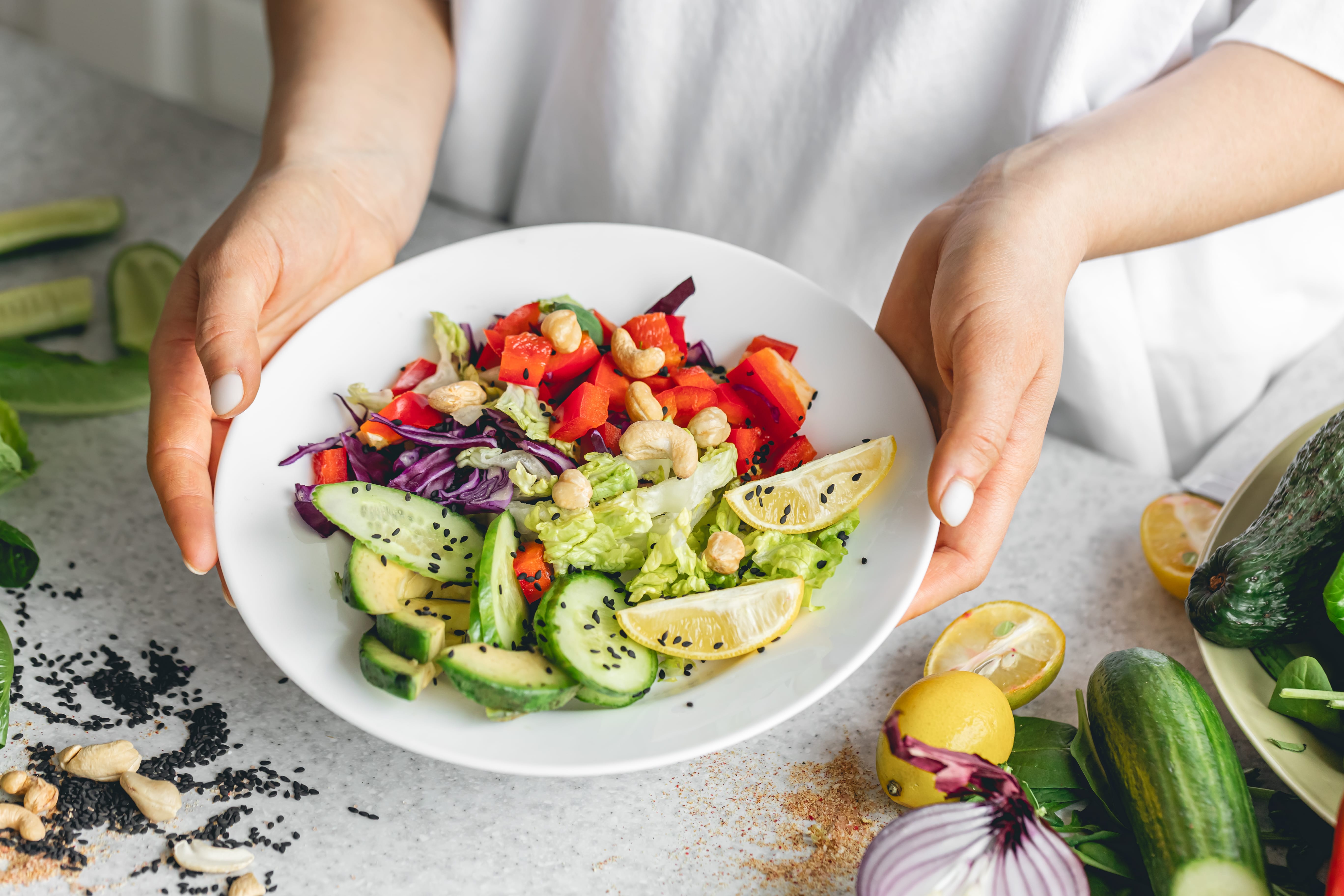
What can you do?
● Exercise regularly (consult your obstetrician about the best course of action)
● Consult your nutritionist for a personalised diet plan and eat healthy meals
● For light exercise, you can go for short regular walks
● Attend prenatal yoga sessions to help calm your senses
● Try to maintain a healthy weight
Expectant mothers who have diabetes or high blood pressure need to be especially mindful of their care. Uncontrolled gestational diabetes or hypertension can pose serious risks to the baby. Keeping your blood glucose and blood pressure within recommended levels can help prevent birth defects and other complications. Speak to your nutritionist about a suitable diet and make time for regular exercise.
- Don’t Drink or Smoke
Drinking and smoking are a BIG NO during pregnancy. The alcohol passes through your bloodstream, into the placenta and then to the baby. Your baby’s liver develops last in the womb, so it is vital to abstain from alcohol and all other harmful substances. Drinking alcohol during the first three months of pregnancy can result in miscarriage or preterm birth. Even after the first three months, drinking may result in the baby being born with birth defects.
- Include Folic Acid in your Diet
If you are planning to embrace motherhood or are pregnant, Folic acid is an essential dietary nutrient. The World Health Organization (WHO) advises pregnant women to take 400 micrograms of folic acid daily. Folic acid is a B vitamin that helps create new cells in our body.
How does Folic Acid help?
● It helps form the neural tube
● Helps avoid the risk of spina bifida
● Helps prevent defects in the baby’s brain and spine.
What can you do?
● You must take 400 mcg of folic acid every day during pregnancy
● Include folate-rich foods in your diet each day, throughout your pregnancy.

- Avoid Self-medication
Most women self-diagnose medical issues and take certain medicines without consulting their doctors. From menstrual problems, abortion, to back pain and other issues. On average, nearly one-third of pregnant women practice self-medication using herbal and/or conventional medicine.
Effects of self-medication:
● Impacts on foetal health
● The medicinal product or chemical agent can cause morphological or physiological abnormalities in the baby.
● It can cause developmental delays in the baby.
What can you do?
● You must consult your doctor before taking any medicine/drugs
● Be aware of all the medicines you take
● Rely on the doctor’s advice.
Give your baby the best possible start. With expert prenatal care and best-in-class technology, including advanced scans and tests, Fernandez Hospital is equipped to support healthy and high-risk pregnancies. For more information, call 1800 419 1397 (toll-free).