Safe and Nutritious Complementary Feeding for Your Little One
In this article, Dr Latha Sashi, Chief Nutritionst and Head, Dept. of Clinical Nutrition and Dietetics, Fernandez Hospital shares practical steps to help parents begin safe and nutritious complementary feeding for their baby with confidence.
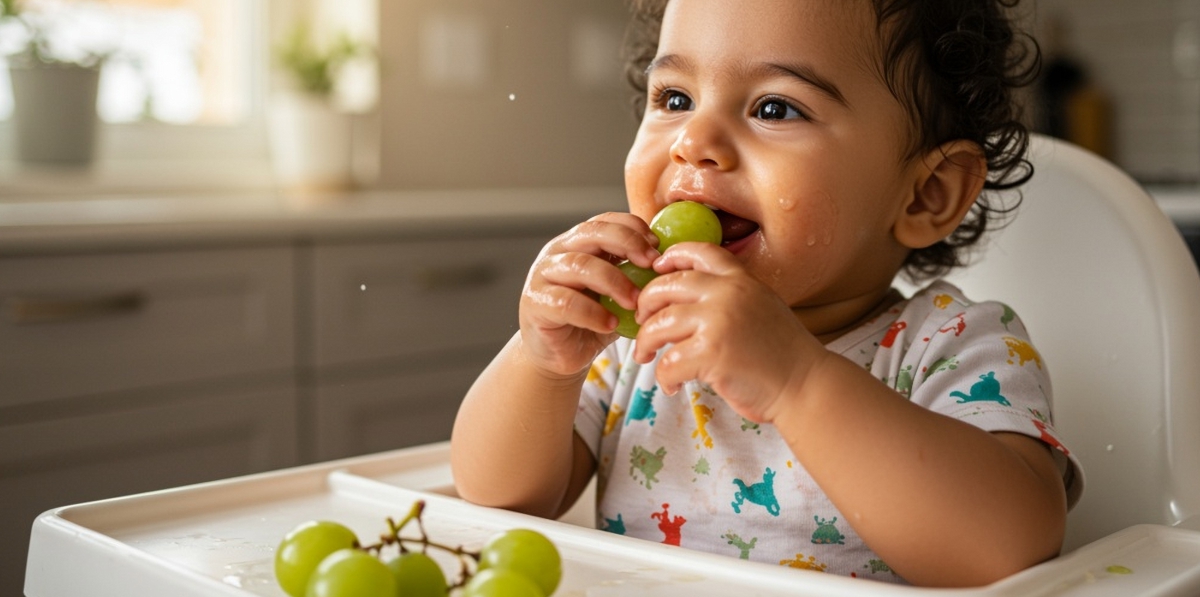
The day your baby tastes their first spoonful of food is a milestone filled with excitement, curiosity, and a few questions too. After six months of exclusive breastfeeding, your little one is ready to explore new textures and flavours.
Complementary feeding is not about rushing meals or replacing breast milk. It’s about gently supporting your baby’s growing nutritional needs during this important stage of development. Complementary feeding plays a vital role by gradually introducing safe, nutritious foods alongside continued breastfeeding.
When to Start Complementary Feeding? Complementary feeding for your little one should begin after the completion of six months. Starting earlier can increase the risk of infections, while delaying beyond six months may lead to nutrient deficiencies, poor growth, and feeding difficulties later in childhood. At around this age, they develop the ability to sit with support, hold their head steady, and swallow semi-solid foods, making it the ideal time to introduce complementary foods
It is advised to continue breastfeeding along with complementary feeding up to two years of age or beyond.
The focus of complementary feeding is to provide nutrient-dense, diverse food groups, and locally available foods. Homemade foods prepared from family staples are strongly encouraged. A balanced complementary diet should include:
Cereals and millets such as rice, wheat, ragi, jowar, or bajra prepared after appropriately pre-processing the grain with soaking, sprouting , drying / roasting, etc.
Pulses and legumes like moong dal, masoor dal, channa dal, and lentils.
Non-veg may include boiled eggs, minced chicken, or fish from 9 months.
Vegetables, especially green leafy and yellow/orange vegetables and roots/tubers.
Dairy products like curd, and paneer from pasteurised toned milk.
Fruits, starting with mashed or pulpy varieties.
Fats such as ghee or vegetable oils to increase energy density.
Combining cereals with pulses in ratio of 3:1 improves protein quality, while adding small amounts of fat enhances calorie intake, both essential for a growing infant.
Consistency, Quantity, and Frequency Complementary foods should be introduced gradually, starting with small amounts and simple textures:
6–8 months: Mashed or pureed foods, 2–3 meals per day
9–11 months: Mashed or finely chopped foods with finger foods, 3 meals plus snacks
12 months and above: Soft family foods, 3–4 meals with 1–2 healthy snacks
Food consistency should be thick enough to stay on the spoon and not run off easily from the 8th month onwards. Thin, watery foods are low in calories and should be avoided. As the child grows, both the variety and texture of foods should be progressively increased.
Hygiene and Food Safety
Safe food preparation is just as important as food choice.
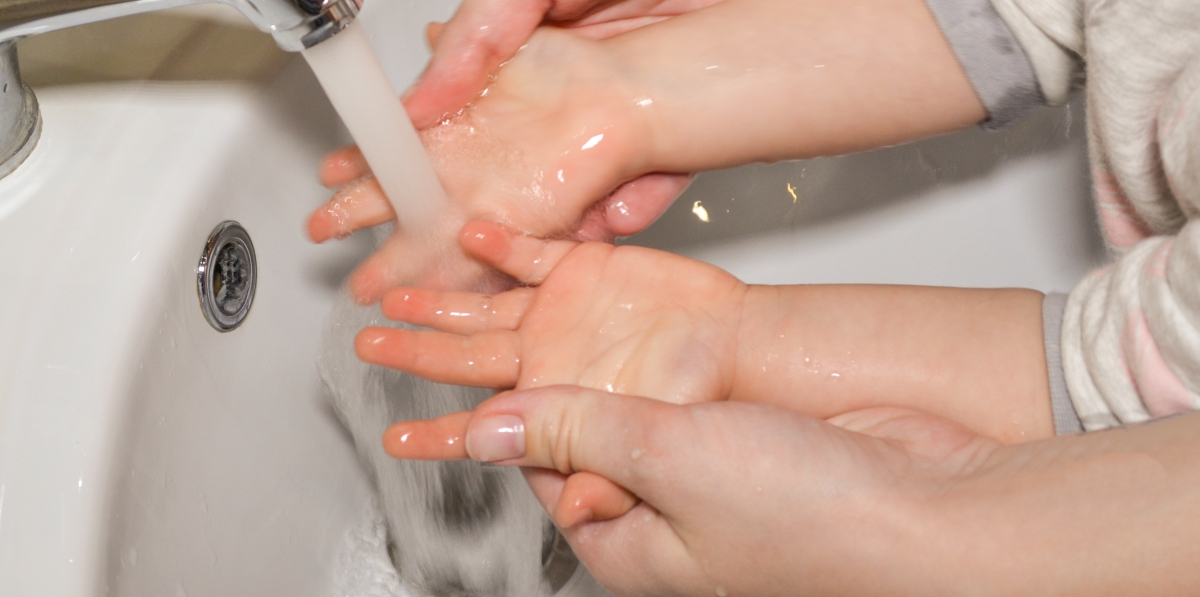
Hands should be washed thoroughly before preparing or feeding food, and clean utensils should always be used.
Freshly prepared foods are preferred, and leftovers should be stored safely and reheated properly if reused.
Bottle feeding is discouraged due to the high risk of contamination and infections.
Foods to Avoid
Infants and young children should not be given foods high in sugar, salt, or unhealthy fats.
Biscuits, bakery items, sugary drinks, packaged juices, and ultra-processed foods offer little nutritional value and may increase the risk of obesity and lifestyle-related diseases later in life.
Commercial complementary foods should not replace home-prepared meals and should be used sparingly, if at all.
Building Healthy Eating Habits Early Complementary feeding is not just about meeting nutritional needs. It is also about shaping lifelong food preferences and eating behaviours. Offering a variety of healthy foods, responding to hunger and satiety cues, and encouraging self-feeding as your baby grows helps them build a positive relationship with food.
Publication Date
18 February 2026
Category
Equitable, respectful and evidence-based care for women and children since 1948


-Hb518L_k.webp )