
-Hb518L_k.webp )
Uterine fibroids are one of the most common gynaecological conditions affecting women, yet many struggle in silence, unsure of what they mean for their health, fertility, or future. At Fernandez, we believe informed choices begin with clear, compassionate information. Here’s everything you need to know.
What Are Fibroids?
Fibroids are muscular growths that develop in the wall of the uterus (womb). They are almost always benign (non-cancerous) and can vary vastly in size from as tiny as a pea to as large as a watermelon. They may appear as a single growth or in multiple clusters. Cancerous change is extremely rare (<0.5%).
What Causes Fibroids?
The exact cause isn’t fully understood, but research points to:
- Hormonal factors
- Genetic predisposition
Who Is More Likely to Get Fibroids?
- Age: Most common in women in their 30s and 40s
- After menopause: Fibroids usually shrink
- Parity: Women who have given birth tend to have a lower risk
- Family history: Having a close family member with fibroids increases your chances
Types of Fibroids
Fibroids grow in different parts of the uterus:
- Intramural: Within the uterine muscle wall
- Submucous: Growing inward into the uterine cavity
- Subserous: Growing outward into the pelvic cavity
Common Symptoms
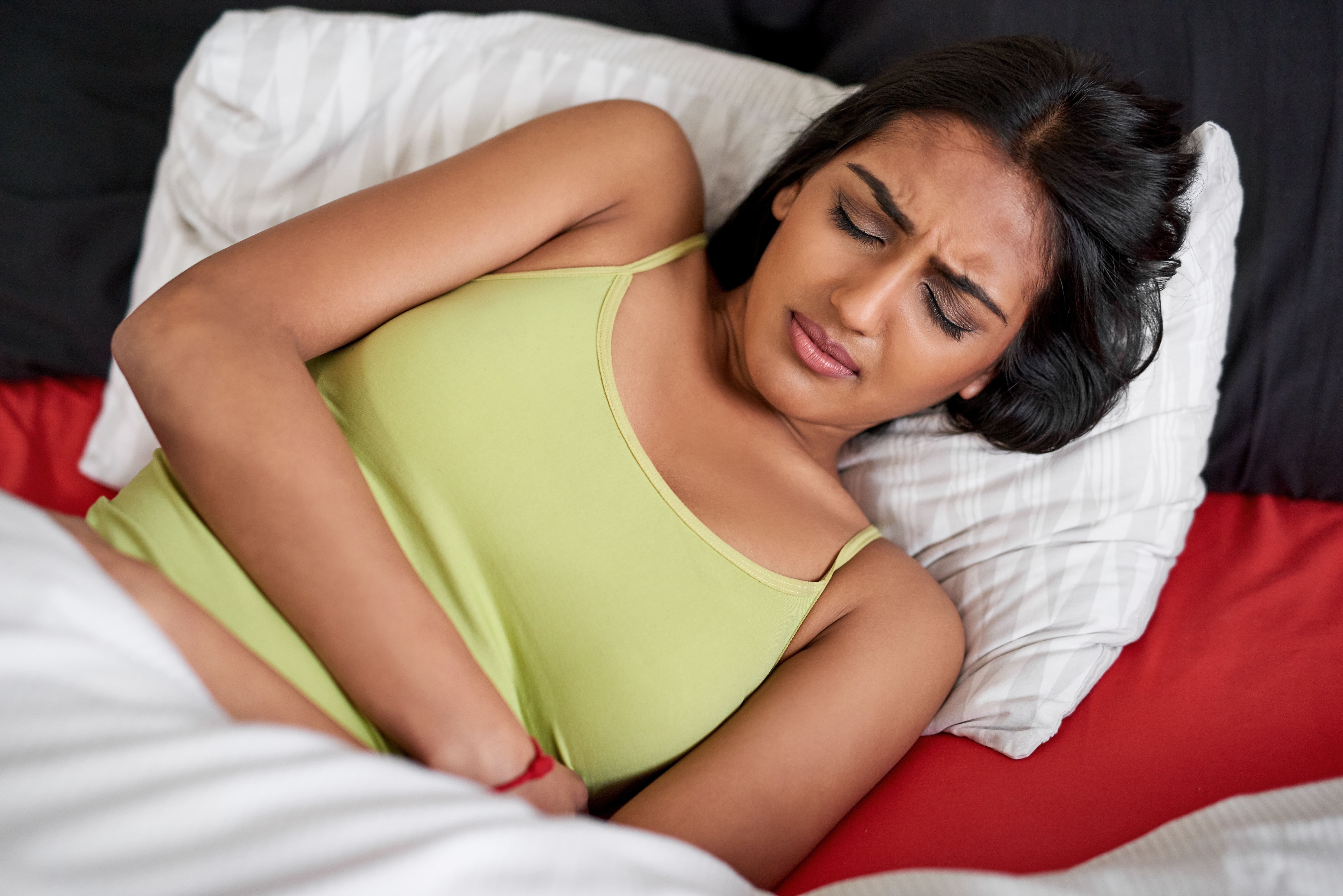
Many women have no symptoms at all. Others may experience:
- Heavy menstrual bleeding (especially with submucous fibroids)
- Severe cramps or painful periods
- Bloating, pressure, or heaviness
- Frequent urination, urinary retention, or constipation
- Decreased fertility (if fibroids block the tubes or distort the cavity)
How Are Fibroids Diagnosed?
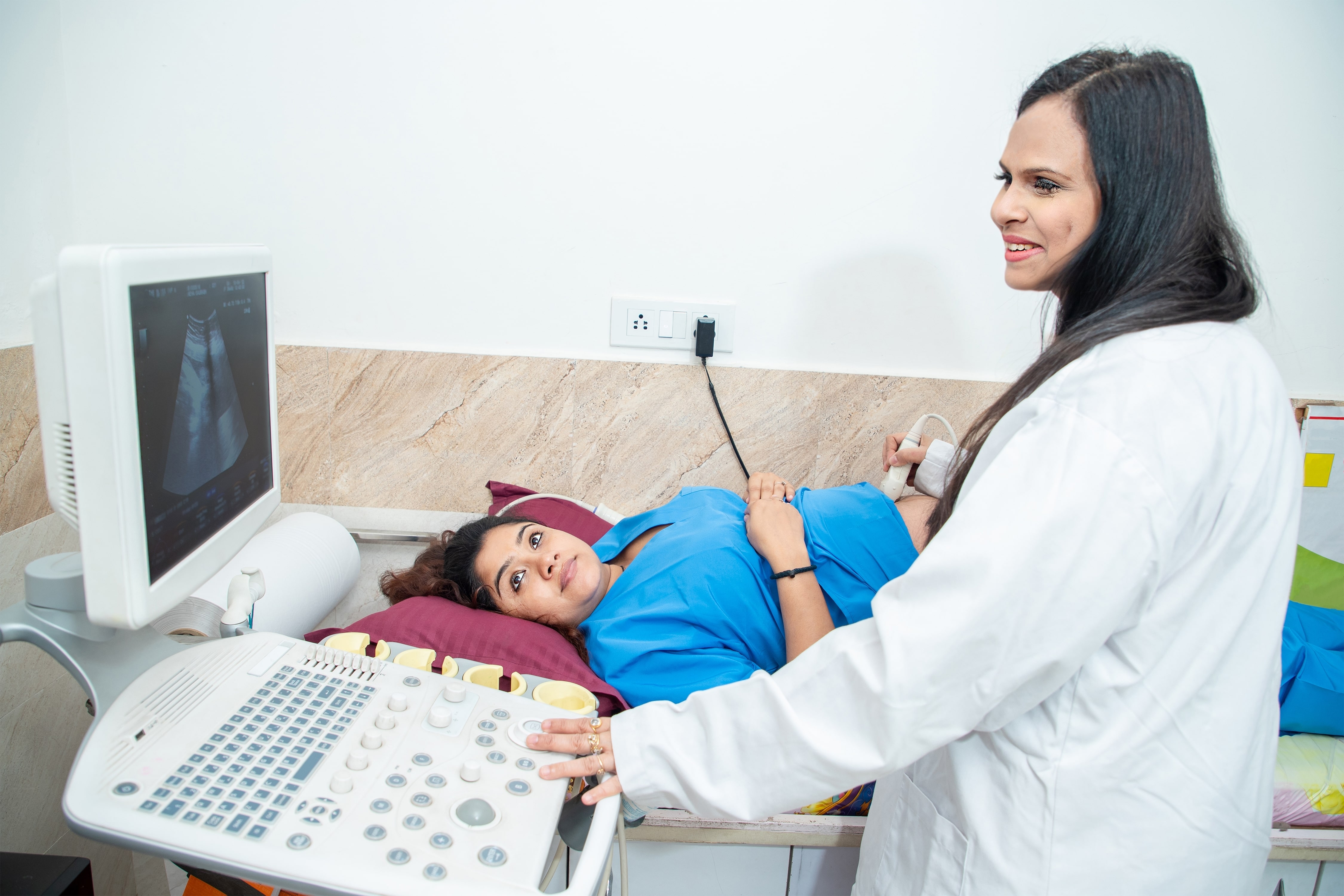
Fibroids are often found incidentally, during:
- Routine gynaecological exams
- Ultrasound scans
- Investigations for subfertility (including laparoscopy)
- Ultrasound helps assess the number, size, and location of fibroids.
Fibroids and Pregnancy
Most women with fibroids have healthy, normal pregnancies. However, some may experience:
- Pain due to the degeneration of the fibroid
- Increased risk of miscarriage or preterm delivery
- Higher likelihood of a Caesarean section
- Heavy bleeding after delivery
How Do Doctors Decide the Best Treatment?
Your treatment plan depends on:
- Severity of symptoms
- Whether you want future pregnancies
- Size and location of fibroids
- Your age and proximity to menopause
Women without symptoms may not need treatment, only regular ultrasound surveillance.
Treatment Options
Medical Management
- To reduce heavy bleeding: Tranexamic acid, oral progestins, or LNG-IUS (Mirena)
- For pain relief: Paracetamol or Mefenamic Acid
- For anaemia: Iron supplementation
- To shrink fibroids: Ulipristal tablets or GnRH analogue injections, often before surgery
Surgical Options
Tailored to each woman:
- Myomectomy: Removal of fibroids (vaginal, laparoscopic, or abdominal)
- Hysterectomy: Removal of the uterus along with fibroids
Other Advanced Treatments
Available in select centres:
- Fibroid embolisation: Blocking blood flow to shrink fibroids
- MR-HIFU: Focused ultrasound under MRI guidance
- Laser surgery
When to Seek Help
If you’re experiencing heavy bleeding, persistent pain, fertility concerns, or discomfort affecting your daily life, don’t ignore it. Fibroids are treatable, and with the proper guidance, you can reclaim your comfort and wellbeing.
At Fernandez Hospital, our specialists offer personalised care, advanced diagnostics, and evidence-based treatment options for fibroids. Call 1800 419 1397 to book a consultation or learn more about your treatment options.