Why Your Annual Gynaec Checkup Matters More Than You Think!
For many women, a gynaecological visit is something they put off—until there’s a problem. But here’s the truth: your annual checkup isn’t just about addressing symptoms. It’s about staying one step ahead of them.
Your body changes over time—through your 20s, 30s, pregnancy, postpartum, and beyond. A yearly gynaecological checkup helps you understand those changes, detect concerns early, and make informed decisions about your health.
What does an annual gynaecological checkup include?
While the exact components may vary depending on your age, medical history, and concerns, here’s what you can typically expect:
1. Detailed Medical History
Your doctor will begin with a conversation. This includes:
• Menstrual cycle patterns
• Sexual and reproductive history
• Contraceptive use
• Any symptoms like pain, discharge, irregular bleeding
• Lifestyle factors (stress, sleep, diet)
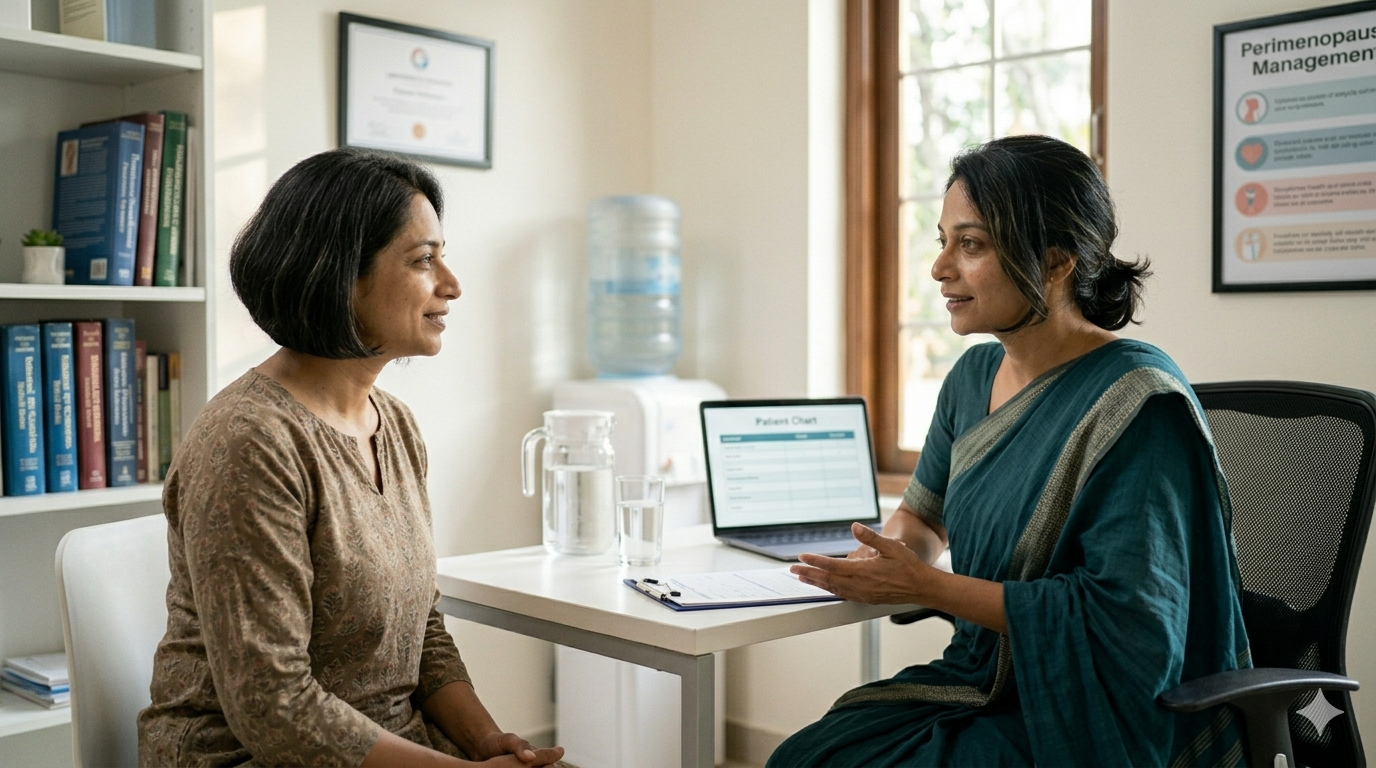
This is your space to talk openly—no concern is too small. Gyn (1).png2.31 MB
2. General Physical Examination
Basic checks like:
• Blood pressure
• Weight and BMI
• Thyroid or breast concerns (if relevant)
These help assess your overall health, not just reproductive health. Gyn (2).png3.82 MB
3. Breast Examination
A clinical breast exam is done to check for:
• Lumps
• Changes in skin or nipple
• Early signs of abnormalities
You may also be guided on how to do self-examinations at home.
4. Pelvic Examination
This is a key part of the checkup and may include:
• External examination
• Internal examination of the uterus and ovaries
It helps detect infections, fibroids, cysts, or other abnormalities early. Gyn (3).png2.45 MB
5. Pap Smear (Cervical Screening)
Recommended for most women after a certain age, this test:
• Screens for cervical cancer
• Detects early cellular changes before they become serious
It’s quick, simple, and potentially lifesaving.
6. Additional Tests (if needed)
Based on your age or symptoms, your doctor may suggest:
• Ultrasound
• Blood tests (hormones, thyroid, sugar levels)
• Screening for infections
• HPV testing
Why does it matter?
Early Detection Saves Lives
Many conditions, like cervical cancer, PCOS, fibroids, or infections, can exist without obvious symptoms in the early stages. Regular checkups help catch them early when they are easier to treat. Gyn (5).png2.27 MB
Better Reproductive Planning
Whether you’re planning a pregnancy now or later, your gynaecologist can guide you on fertility, contraception, and preconception health.
Managing Life Stages
From painful periods in your teens to menopause-related changes later in life, your needs evolve. Regular visits ensure you get the right support at the right time.
Lifestyle & Weight Matter More Than You Think
As women age, hormonal changes can affect metabolism, weight, menstrual cycles, and overall health. Conditions like PCOS, thyroid disorders, and even fertility challenges are often closely linked to lifestyle factors. Gyn (4).png2.15 MB
Your annual checkup is also an opportunity to:
• Discuss healthy, sustainable weight management
• Understand how diet and physical activity impact your hormones
• Address concerns like fatigue, irregular cycles, or weight changes early
• Get personalised advice—not one-size-fits-all recommendations
Small, consistent changes in lifestyle can make a significant difference—not just for reproductive health, but for long-term well-being.
Peace of Mind
Sometimes, the biggest benefit is reassurance. Knowing everything is normal can be incredibly comforting.
When should you go?
• Once a year—even if you feel perfectly fine
• Immediately, if you notice symptoms like irregular bleeding, unusual discharge, pain, or missed periods
A gentle reminder
Taking care of your health isn’t something you do only when something feels wrong. It’s something you prioritise—consistently.
It’s time to get yourself checked. Our experts are here for you.
Call us on 1800 410 1397.
Publication Date
02 May 2026
Category
Equitable, respectful and evidence-based care for women and children since 1948


-Hb518L_k.webp )