-Hb518L_k.webp)
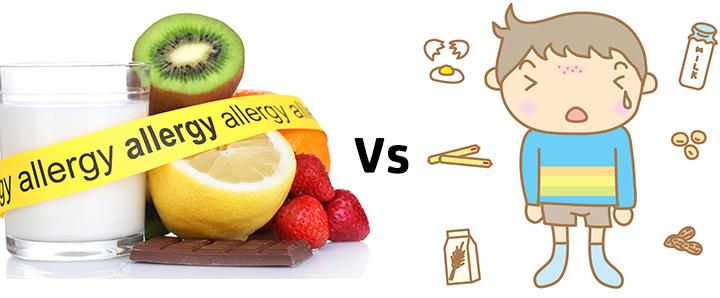
Food allergies and intolerances in babies have become quite common and almost 1 in 12 babies suffer from them. So, it is very essential for mothers to take proper care of their babies regarding food. Your baby can have food allergies if you have a family history of food allergy, hay fever, asthma or eczema.
What is food allergy?
Food allergies in babies occur when their immune system has an adverse reaction to harmless proteins in food and produces antibodies. The immune system responds to the food as toxic. It occurs immediately or after some time of having food.
Symptoms of food allergy:
- Redness on skin and dermatitis
- Nasal congestion
- Itchy eyes and mouth
- Vomiting, diarrhoea and stomach cramps
- Swollen face and eyelids
- Swollen tongue and lips
- Frequent crying and distress
- Persistent cough, difficulty in swallowing, wheezing, shortness of breath and hoarse voice is called anaphylaxis, a severe and life-threatening food allergy
- Milk
- Egg
- Peanut
- Skin redness and dermatitis
- Constipation
- Diarrhoea
- Stomach pain
- Vomiting
- Milk or lactose intolerance
- Some react to strawberries
- Tomato can also cause food intolerance
Food allergies and intolerances in babies can be controlled in the following ways:
- Avoid the food: It is very important to avoid the food that causes allergies and intolerance in your baby. So, you should be aware of these foods. Carefully read the food labels and see if words like ‘whey’, ‘casein’ etc. are there. Presence of such words means, having the product can lead to allergies.
- Have an emergency plan: Parents should speak to their doctor to give them an emergency plan which will help them to recognise allergies and intolerances and if medical attention is needed or no